
By Nathan Kiwere
In the heart of Africa, where fertile soils meet the sun-soaked landscapes, a quiet revolution is simmering — one that pits wholesome organic food against the genetically modified organisms (GMOs) flooding global markets. As the world grapples with health concerns and climate uncertainties, Africa stands on a unique threshold: the ability to turn its traditional, organic food production into a formidable economic force.
The Organic Advantage
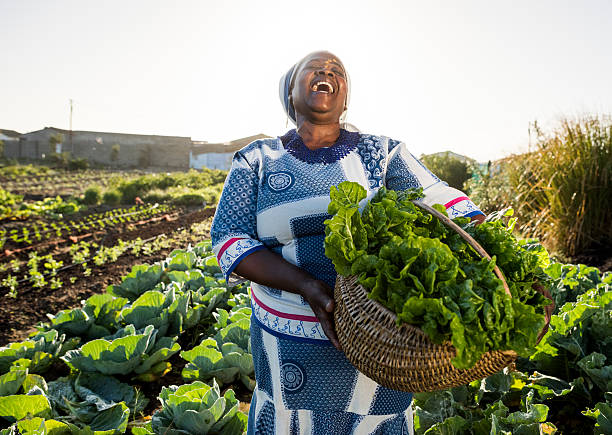
Africa’s rural farmers have long depended on indigenous farming practices that align naturally with organic principles — no synthetic fertilizers, no pesticides, just age-old knowledge passed down through generations. From the hand-tilled gardens of Uganda to the fertile highlands of Ethiopia, organic agriculture has been the default, not a trend. Ironically, what the West is now paying a premium for — chemical-free, non-GMO food — is what Africa already grows.
Take for instance Uganda, consistently ranked among the leading organic agricultural producers globally. According to IFOAM (International Federation of Organic Agriculture Movements), Uganda has over 210,000 certified organic farmers, more than any other African country. These farmers produce organic bananas, pineapples, coffee, and cocoa — much of which ends up on the shelves of high-end supermarkets in Europe and North America.
The export potential is immense. A 2022 report by the Research Institute of Organic Agriculture (FiBL) revealed that global demand for organic products grew to over $120 billion, with Europe and North America consuming the lion’s share. Yet Africa supplies only a fraction of this demand. Why? Because the infrastructure, certification, and market linkage needed to scale are still developing.
The GMO Threat — and Opportunity
As multinational seed corporations push genetically modified crops into African markets, they promise higher yields and resistance to pests. But these short-term solutions come with long-term risks: soil degradation, seed dependency, loss of biodiversity, and health concerns that are still being debated globally. In contrast, organic farming improves soil health, promotes biodiversity, and empowers local communities.
Kenya recently lifted its ban on GMO maize, igniting fierce debate across the region. But in the midst of this controversy, a growing counter-movement is championing organic farming as a safer and more sustainable alternative. Organizations like the Kenya Organic Agriculture Network (KOAN) have begun training farmers on how to meet international organic standards and tap into export markets. One farmer in Nakuru, after switching to organic avocado farming, saw his profits triple in two years by selling to Germany through a fair-trade cooperative.
Branding Africa’s Purity
The next step is branding. African organic products should not just be sold as commodities — they should be sold as stories: grown on sun-drenched hillsides, watered by rain and hard work, untouched by chemicals, and rooted in heritage. That’s what today’s conscious consumer is looking for: authenticity.
Imagine Ethiopian teff, Rwandan coffee, or Malian fonio sold not just as food items, but as experiences, bearing labels like “Naturally African,” “From Africa with Purity,” or “Heritage Grown.” This kind of branding, coupled with storytelling, can push African organic food into niche markets abroad that command higher prices.
Africa doesn’t need to adopt everything from the West. In fact, the continent’s future prosperity may lie in preserving what it already has — its rich soils, resilient seeds, and natural farming practices. While GMOs may promise quick gains, organic farming offers sustainability, health, and growing global demand. If properly harnessed, Africa’s organic food movement could become the continent’s next gold rush — not from beneath the soil, but from what grows on top of it.
Leave a Reply